
The midterm elections and Trump’s invincibility: the end of a myth
By Daniela Melo
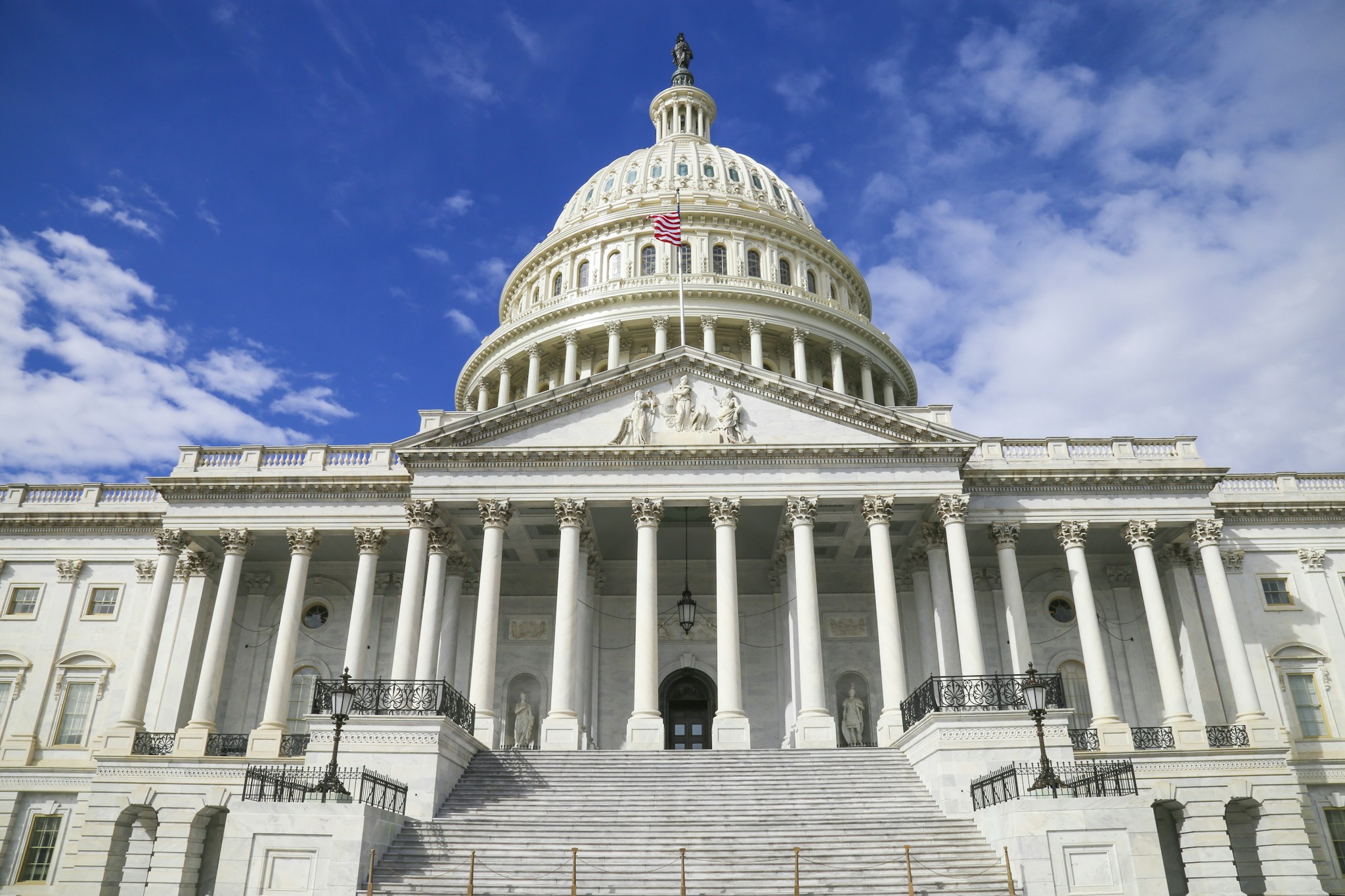
Photo: Louis Velazquez / Unsplash
President Donald Trump has always been convinced of his ability to win elections, and with good reason. He surprised the world and the pollsters in 2016, claims to have “won” in 2020, and returned triumphantly to the White House in 2024. Even at the most difficult moments of his presidency, he kept a loyal base of MAGA voters within the Republican Party (around 30% of Republican voters).
This aura of invincibility, always exaggerated (Trump never shone in midterm elections and lost in 2020), fell apart with the 2026 results. A few weeks earlier, in Texas, he had asked voters: “Vote as if I were on the ballot.” Americans did just that, and the result was devastating.
Invincibility
“I could stand in the middle of Fifth Avenue and shoot somebody, and I wouldn’t lose any voters, OK? It’s, like, incredible.” – Donald Trump, January 2016
Built on this notion of invincibility, the Republican Party let Trump centralise power in the party structure (the Republican National Committee), even after 2020. When he won in 2024, in an election that gave Republicans control of both the executive and legislative branches, Trump read the result as a mandate to pursue his goals without restraint.
It wasn’t just the economy
Most analyses point to Americans’ discontent with the economy. That is undeniable, but it only explains part of the story. Exit polls and post-election surveys suggest a more complex set of issues, with corruption, tariffs, immigration and the war in Iran standing out.
The Democrats who won Republican states such as Texas campaigned against oligarchs, corruption and the cost of living. A very telling line from the victory speech of (now) Senator Talarico was: “The only minority destroying America is billionaires.” The tech oligarchs overplayed their hand: they poured billions of dollars into backing MAGA candidates, involved themselves in US domestic and foreign policy and were, they too, clearly repudiated by the electorate.
The coalition that came apart
The same voters who helped build the 2024 coalition swung sharply to the left, notably Latinos and young people. According to the New York Times voter analysis, the Democratic advantage among Latinos grew by 29 points between 2024 and 2026, and these voters were essential to Democratic victories in deeply Republican states such as Texas and Kansas. The same data show that 70% of voters under 30 voted for the Democrats, a 30-point swing in the party’s favour since 2024.
These were precisely the voters who felt Trump’s budget and immigration policies most: severe cuts to health subsidies, wages under pressure, high costs for housing, insurance, fuel and food, and the brutality of the federal immigration and customs agency (ICE).
Corruption and the Marie Antoinette moment
Surveys on corruption point the same way. A CNBC/Fox poll conducted before the elections, which drew more attention after them, showed that 88% of respondents considered government corruption one of their main concerns. In September, Gallup found that 89% of US adults see corruption as a widespread problem, the highest figure in 20 years in that poll. The Trump family has grown more than 2.2 billion dollars richer since his return to the presidency. Trump is living his Marie Antoinette moment: ostentation at the top, while voters can barely make ends meet.
The war that split the right
Another factor weighed in: the war with Iran put the spotlight squarely on the alliance between the US and Israel. This is not only an issue for the left, as support for Israel has been steadily declining among Republicans. Vice President JD Vance bluntly named the war as one of the main reasons for the Republican defeat. This year increasingly looks like a turning point for an alliance that is several decades old.
Everything suggests that the mobilisation against the MAGA agenda shows that Trump’s shine has faded. It may even mean that the MAGA moment in American politics has come to an end.
2028: the race has already begun
The scale of the Republican defeat in these midterms, especially in states such as Texas, Kansas and South Carolina, is already shaping the presidential race. The 2026 midterms will determine not only who emerges from each party’s primaries, but also the domestic and foreign agenda that candidate will champion.
On the Republican side, Marco Rubio and JD Vance may still run, but there is growing scepticism about their ability to distance themselves from Trump’s agenda. On the Democratic side, a new, younger generation of elected officials has emerged and seems to have finally found its message.
As happened with the Iraq war, candidates’ positions on the Iran war are likely to become a litmus test for the electorate. The primaries in both parties will be hard-fought, but the electorate seems ready for new faces and new agendas, perhaps even hungry for them.
In 2016, Trump swore he could shoot someone on Fifth Avenue without losing a vote. In 2026, he asked voters to vote as if he were on the ballot. They did, and the verdict was unforgiving.
Daniela Melo – Senior Lecturer in Social Sciences at Boston University’s College of General Studies.